Getting enough sleep is important for both physical and mental health. A good night’s rest helps improve focus, mood, energy levels, and overall well-being. While many people focus on daily habits to improve sleep, the bedroom itself also plays a major role. An uncomfortable or poorly designed sleep environment can make it harder to relax and stay asleep throughout the night.
Many homeowners spend time decorating their bedrooms to make them look attractive, but appearance is only one part of the equation. Comfort, air quality, lighting, and temperature all influence how well a person sleeps. Even small changes can make a noticeable difference. A bedroom that supports healthy sleep can help reduce interruptions during the night and make mornings feel more refreshing.
Choose the Right Mattress
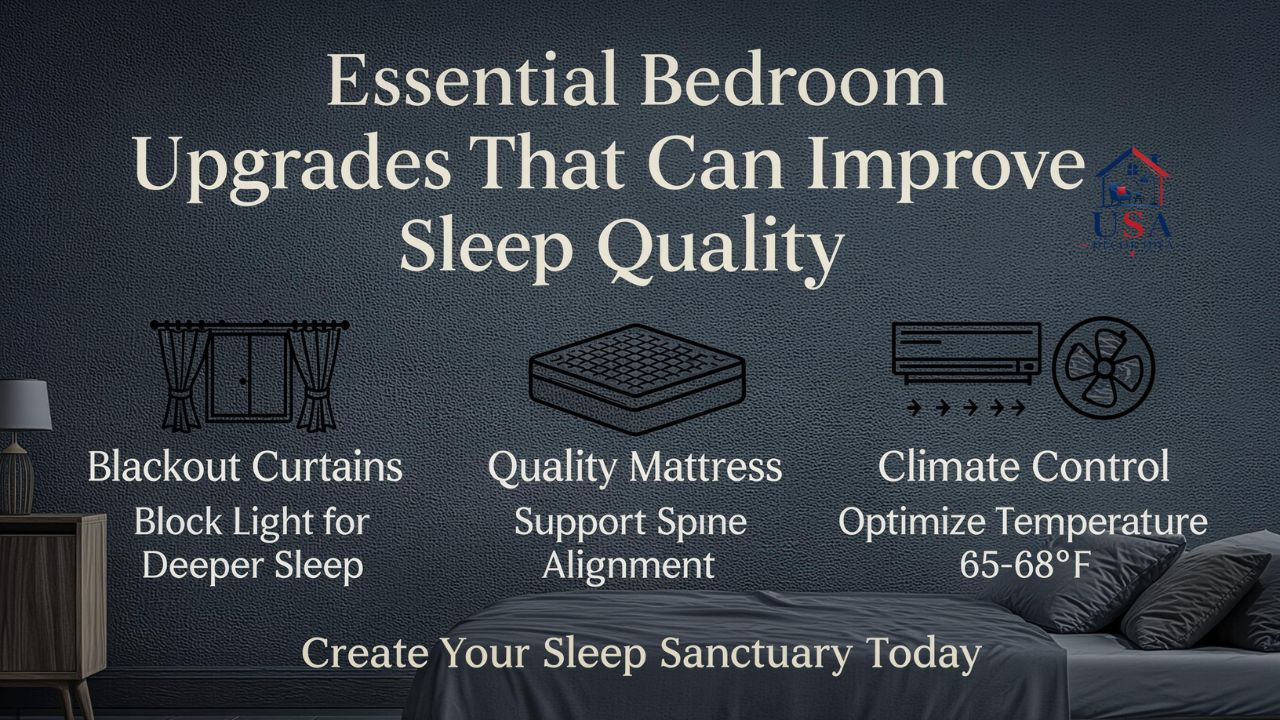
The mattress is one of the most important parts of any bedroom. Since people spend several hours on it every night, its quality has a direct impact on comfort and sleep quality. A mattress that is too soft, too firm, or no longer provides proper support can lead to discomfort and restless nights.
Different individuals have unique sleep preferences and comfort requirements. Some sleep better on a plush surface, whereas others need a firmer mattress for adequate support. Sleep posture also plays an important role. Those who sleep on their sides generally require cushioning around the shoulders and hips to reduce pressure, while back and stomach sleepers often benefit from stronger support to help maintain proper spinal alignment.
When shopping for a new mattress, it is important to consider comfort, support, durability, and personal preferences. Many homeowners look for options that can be adjusted to fit their specific needs. Products from Custom Comfort Mattress are often considered by people who want a more personalized sleeping experience that matches their comfort preferences.
Improve Bedroom Lighting
Lighting has a bigger effect on sleep than many people realize. The body naturally responds to light and darkness throughout the day. Bright light helps keep people alert, while lower light levels signal that it is time to relax and prepare for sleep.
One simple upgrade is replacing harsh bedroom lighting with softer, warmer options. Warm lighting creates a more relaxing atmosphere and can help the body wind down in the evening. Dimmable lights are another useful addition because they allow homeowners to adjust brightness levels based on the time of day.
Blackout curtains can also make a noticeable difference. Streetlights, outdoor lighting, and early morning sunlight can disturb sleep, especially for light sleepers. Blocking unwanted light helps create a darker and more restful environment.
Enhance Air Quality
Fresh, clean air can make a bedroom more comfortable and improve sleep quality. Poor air quality may lead to stuffiness, discomfort, or breathing issues that can interrupt sleep during the night.
One of the easiest ways to improve air quality is by increasing ventilation. Opening windows when weather permits can help bring fresh air into the room. Ceiling fans can also improve airflow and keep the space feeling comfortable.
Air purifiers are another popular upgrade. They can help reduce dust, allergens, and other particles that may affect breathing. This can be especially helpful for people who suffer from allergies or sensitivities.
Optimize Room Temperature
Room temperature can have a strong effect on sleep. If the bedroom is too hot or too cold, it can be hard to stay comfortable through the night. Many people wake up often because they feel sweaty, chilled, or restless. A steady and comfortable temperature can help the body relax and make it easier to sleep without interruption.
One useful upgrade is a smart thermostat. It allows homeowners to set the bedroom temperature before bedtime and keep it steady during the night. Ceiling fans are also helpful because they improve airflow and keep the room from feeling stuffy. In warmer months, light curtains and breathable bedding can also make the room feel cooler.
Minimize Noise
Noise is one of the most common causes of poor sleep. Even small sounds can disturb rest, especially for people who are light sleepers. Traffic, neighbors, pets, or sounds from other rooms can make it harder to fall asleep and stay asleep.
Simple home upgrades can help reduce noise. Thick curtains can block some outside sounds. Rugs can soften footsteps and reduce echo inside the room. Weatherstripping around doors and windows can also help limit noise from outside.
A white noise machine can be useful for people who cannot control all the sounds around them. It creates a steady background sound that can make sudden noises less noticeable. A fan can also serve the same purpose while improving airflow.
Upgrade Your Bedding
Bedding plays a big role in comfort. Old pillows, rough sheets, or heavy blankets can make sleep less restful. Since bedding touches the body all night, it should feel soft, clean, and comfortable.
Pillows should match a person’s sleeping position. Side sleepers may need thicker pillows to support the neck. Back sleepers often need medium support, while stomach sleepers may prefer thinner pillows. A pillow that does not support the head and neck properly can lead to stiffness in the morning.
Keep the Room Clean
A clean bedroom can support better sleep. Clutter, dust, and mess can make the room feel less peaceful. When the bedroom is crowded or untidy, it may be harder to relax at night.
Regular cleaning helps improve both comfort and air quality. Vacuuming floors, wiping surfaces, and washing bedding can reduce dust and allergens. This is especially helpful for people who deal with allergies or breathing discomfort.
Limit Electronics
Electronics can make the bedroom less restful. Phones, televisions, laptops, and tablets can keep the mind active when it should be winding down. Bright screens can also make it harder for the body to prepare for sleep.
One helpful change is to keep screens away from the bed. Charging phones across the room can reduce the habit of checking them late at night. Removing the television from the bedroom can also help create a stronger connection between the room and sleep.
Improving sleep quality often starts with the bedroom. A few practical upgrades can make the space more comfortable, quiet, and relaxing. Better temperature control, less noise, fresh bedding, cleaner surroundings, and fewer electronics can all support better rest.