Stand in front of any house for ten seconds, and your eyes go straight to the windows. They tell you almost everything about a home before you even step through the door.
Good window design isn’t just about glass and frames. It’s about light, privacy, airflow, and the personality of a space. Get it wrong, and a beautiful room feels flat. Get it right, and even a small house feels open, warm, and alive.
This guide walks through everything you need to know about windows design today — from sleek glass panels to classic wood frames, from city apartments to quiet villages. Whether you’re building from scratch or just want fresh window design for home ideas, you’ll find practical, real-world advice here.
Why Window Design Deserves More Attention Than You’re Giving It
Most people plan their kitchen layout for weeks. They obsess over paint colors. But windows? Often an afterthought.
That’s a mistake.
Windows control three things that make or break a home: natural light, ventilation, and the visual connection between inside and outside. A thoughtful home window design can cut your electricity bill, improve your mood, and even make rooms look bigger than they are.
Have you ever walked into a room and felt instantly calmer, without knowing why? There’s a good chance the windows were doing the work.
The Three Pillars of Good Window Design
Before picking styles or materials, every solid window design plan rests on three things:
- Light — how much, from where, and at what time of day
- Privacy — what’s visible from outside, and from which angle
- Airflow — cross-ventilation that actually cools a room naturally
Nail these three, and almost any style will work. Ignore them, and even the most expensive frames will feel wrong.
Modern Window Design: Clean Lines, Maximum Light
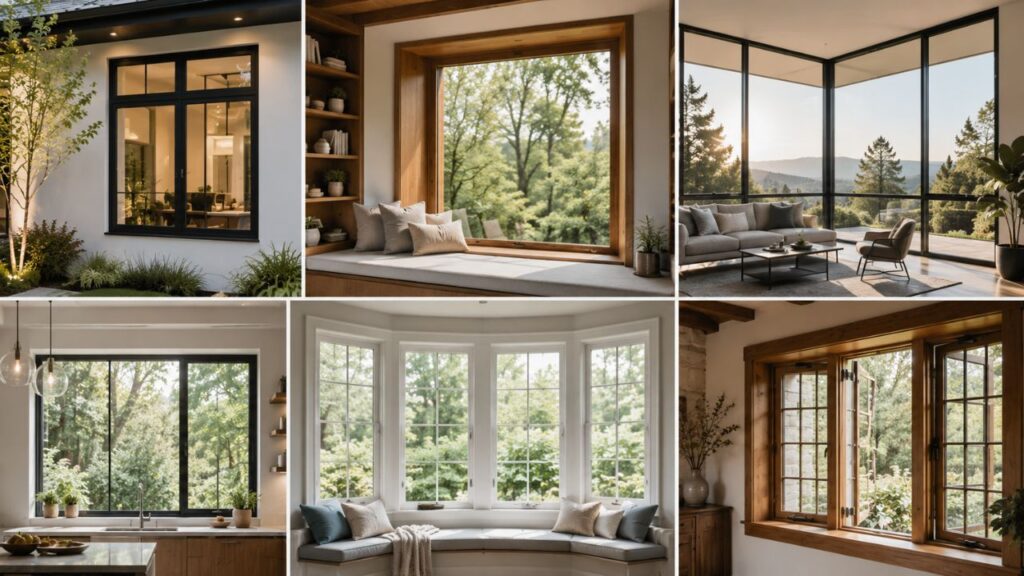
If you’ve scrolled through home renovation photos lately, you’ve probably noticed a pattern. Big glass panels. Thin black frames. Almost no visible hardware.
That’s modern window design in a nutshell — minimal, functional, and built around light rather than ornamentation.
A few features define this style:
- Large, fixed glass panes with minimal framing
- Slim aluminum or steel frames, usually in matte black or bronze
- Floor-to-ceiling installations in living rooms
- Hidden hinges and flush-mounted hardware
One client I worked with on a renovation project replaced four small punched windows with a single wide glass wall in the living room. The room didn’t get bigger physically — but it felt twice the size, simply because the eye now traveled outward instead of stopping at a wall.
Latest Window Designs for House: What’s Trending Right Now
If you’re hunting for the latest window designs for house projects in 2026, a few trends keep showing up across architecture portfolios and design forums:
- Corner windows that wrap around a room’s edge without a visible post
- Pivot windows that rotate on a central axis for unusual ventilation angles
- Black-framed crittall-style grids, borrowed from old industrial buildings
- Skylight combinations paired with vertical wall windows for layered light
These latest window designs for house builds aren’t just trendy for the sake of it — they solve real problems like overheating, poor cross-ventilation, and dark interior corners.
Interior Window Ideas: The Trend Nobody Saw Coming
Here’s something that surprises a lot of homeowners: windows don’t only belong on exterior walls anymore.
Interior windows are now one of the fastest-growing categories in home design. An interior window lets light pass between two indoor spaces without removing the wall entirely.
Picture a home office tucked beside the kitchen. Instead of a solid wall, there’s a glass-paned interior window letting borrowed light spill in from the living room. The office stays quiet and separate, but it never feels boxed in.
Internal Windows Between Rooms: Why They Work So Well
Internal windows between rooms solve a problem that drywall alone can’t fix — they let light travel where it normally couldn’t reach.
Here’s where internal windows between rooms make the biggest difference:
- Between a dark hallway and a sunlit bedroom
- Between a home office and the main living area
- Above a bathroom door, for ventilation without losing privacy
- Between a staircase landing and an adjacent room
I’ve seen older homes transformed just by adding internal windows between rooms in the right spots. A windowless laundry room next to a sunny kitchen can feel like a different building once a simple glass pane bridges the two.
Internal Window Ideas Worth Stealing
If you’re short on inspiration, here are a few internal window ideas that consistently work well in real homes:
- Frosted glass for bathroom-to-hallway internal windows, keeping privacy while letting light through
- Steel-framed grid windows between a kitchen and dining nook
- Sliding interior windows that double as a pass-through for serving food
- Arched interior windows between rooms in older, traditional-style houses
These internal window ideas are inexpensive compared to full renovations, yet they change how a home feels almost overnight.
Village Window Design: Old Wisdom, Still Relevant
There’s a reason village window design keeps inspiring architects working on modern projects. Rural builders solved heat, dust, and privacy problems centuries before air conditioning existed.
Traditional village window design often features:
- Small openings high on the wall to reduce direct heat
- Thick wooden shutters for both security and insulation
- Carved wooden lattices (jali-style patterns) that filter light and air
- Deep window sills that double as seating or storage
What makes village window design worth studying isn’t nostalgia — it’s efficiency. These designs were built without electricity-powered cooling, so they had to get airflow and shade exactly right.
Many architects now blend this old approach with new materials, pairing carved wooden screens with double-glazed glass behind them. You get the charm of tradition with the performance of modern technology.
House Window Design: Choosing by Room and Function
Not every room needs the same approach. A good house window design plan treats each space differently.
Section Window Design: Planning Room by Room
A section window design approach means looking at your home’s floor plan section by section, instead of applying one window style everywhere.
Here’s a simple breakdown:
- Living room: Large windows or sliding glass doors for views and light
- Bedroom: Medium windows positioned for morning light, away from streetlights
- Kitchen: A window above the sink, ideally facing a garden or quiet side
- Bathroom: Small, frosted, or internal windows for ventilation without exposure
- Staircase: Tall, narrow windows that bring light down through multiple floors
This kind of section window design thinking avoids one of the most common mistakes — copying a single window style from a magazine without considering how each room actually functions.
Wood Window Design: The Material That Never Goes Out of Style
Aluminum and uPVC dominate the market, but wood refuses to disappear. There’s a warmth to a well-made wood window design for home that synthetic materials still can’t fully replicate.
Wooden Window Design Without Glass: An Underrated Classic
Yes, you read that right. Wooden window design without glass is still common, especially in warm climates and traditional architecture.
These openings rely on:
- Carved wooden shutters or louvers instead of glass panels
- Lattice screens that block direct sun while allowing airflow
- Sliding wooden panels that close fully at night for security
A wooden window design without glass setup works beautifully in covered verandas, indoor courtyards, or transitional spaces between indoor and outdoor areas. It’s not practical everywhere, but where climate allows, it’s hard to beat for natural cooling.
Only Wood Window Design: When Simplicity Wins
Some homeowners deliberately choose an only wood window design approach — no metal trim, no composite materials, just solid timber from frame to panel.
Why go this route?
- Easier to repair locally, almost anywhere
- Ages with character instead of looking worn out
- Naturally insulating compared to thin metal frames
- Pairs well with both rustic and minimalist interiors
An only wood window design isn’t the cheapest option upfront, but with proper sealing and occasional maintenance, it can outlast cheaper alternatives by decades.
Glass New Wood Window Frame Design: Best of Both Worlds
For homeowners who want warmth without giving up modern performance, a glass new wood window frame design is the practical middle ground.
This style combines:
- A solid timber frame for insulation and aesthetics
- Modern double or triple-glazed glass for energy efficiency
- Weatherproof seals that wood alone can’t always provide
A glass new wood window frame design gives you the visual character of timber with the energy performance modern building codes now expect. It’s become a popular choice in renovation projects where owners want a traditional look without sacrificing comfort.
Wooden Window Panel Design: Details That Matter
The frame gets most of the attention, but wooden window panel design is where craftsmanship really shows.
Things worth considering:
- Raised panel detailing for a more formal, classic look
- Flat panels for a cleaner, contemporary finish
- Carved motifs reflecting regional or cultural style
- Panel spacing that affects how much light filters through
A thoughtful wooden window panel design can turn a plain wooden window into a genuine architectural feature, not just a functional opening.
How to Choose the Right Window Design for Your Home
With so many directions to go, how do you actually decide? A few honest questions help narrow things down fast.
Ask yourself:
- How much direct sunlight does this wall actually get during the day?
- Do you need privacy from neighbors, a busy street, or another room inside the house?
- Is your climate hot and dry, humid, or cold for most of the year?
- What’s your long-term maintenance budget — low-effort metal, or character-rich wood?
There’s no universal “best” answer here. A coastal home facing strong winds needs different glazing than a quiet inland village house relying on natural cross-ventilation.
A Quick Real-World Example
A family I know renovated an older home with small, dark rooms throughout. Instead of knocking down every wall, they added internal windows between the kitchen and the dining room, replaced two bedroom windows with a modern window design featuring slim black frames, and kept the original wooden window panel design on the front façade for street-facing character.
The result wasn’t a dramatic, expensive overhaul. It was a smart mix — new where it mattered, traditional where it still worked.
Common Mistakes to Avoid
Even with good intentions, a few mistakes show up again and again in house window design projects:
- Choosing window size based only on looks, ignoring room function
- Skipping ventilation testing before finalizing internal windows between rooms
- Mixing too many frame materials and colors across one façade
- Forgetting that wooden window design without glass needs climate-appropriate placement
- Underestimating how much maintenance an only wood window design actually requires in humid regions
Avoiding these isn’t complicated. It just takes a bit of planning before construction begins, not after.
Conclusion: Let Your Windows Do More Work
Windows are one of the few design elements that affect light, air, privacy, and style all at once. Whether you lean toward a sleek modern window design, a charming village window design, or a warm wood window design for home, the goal stays the same — comfort that feels effortless.
Start small if you need to. Add one well-placed interior window between a dark room and a sunny one. Swap a single outdated frame for a current latest window designs for house style. Even one thoughtful change can shift how an entire home feels.
Your next step: Walk through your home room by room, and ask which space needs more light, more privacy, or simply a better view. That’s where your next window upgrade should begin.