Introduction
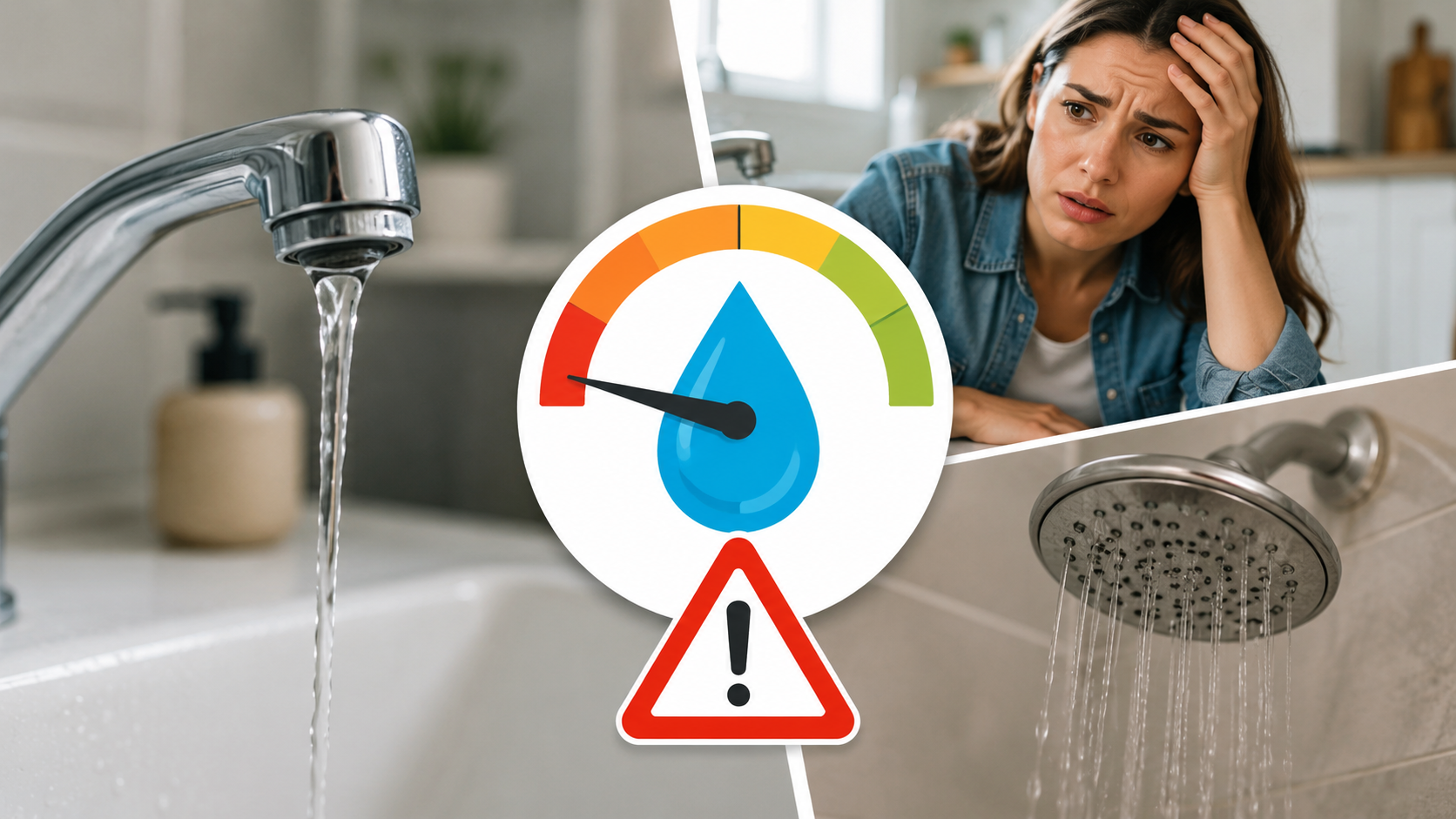
Few household problems are more frustrating than turning on a faucet and getting only a weak trickle of water. Low water pressure can make showers unpleasant, slow down laundry, affect dishwashing, and even signal deeper plumbing problems hidden inside your home.
Many homeowners notice their water pressure getting weaker over time, while others suddenly experience no water pressure in house situations without warning. Whether the issue affects one sink or your entire property, understanding the root cause is the first step toward restoring proper water flow.
From clogged pipes and leaking plumbing to city supply interruptions and failing pressure regulators, there are many possible explanations for water pressure low conditions. The good news is that many problems can be diagnosed quickly and fixed without major renovations.
What Is Low Water Pressure?
When homeowners talk about low water pressure in house conditions, they usually mean water is flowing slower than normal from faucets, showers, or appliances. In most homes, normal residential pressure ranges between 40 and 60 PSI.
If the pressure drops below that range, you may experience:
- Weak shower spray
- Slow-filling bathtubs
- Appliances taking longer to run
- Faucets producing poor flow
- Inconsistent pressure throughout the house
- Sudden pressure drops when multiple fixtures run together
Many people confuse low water flow with low pressure, but they are not always identical. Pressure refers to the force pushing water through pipes, while flow measures the amount of water moving through the system.
Common Signs of Water Pressure Problems
Weak Flow From Faucets
One of the most obvious symptoms of water pressure issues is weak water coming from sinks and showers. If your kitchen faucet suddenly slows down, sediment buildup or clogged aerators may be responsible.
Pressure Drops During Shower Use
If your shower becomes weak whenever someone flushes a toilet or starts the washing machine, you may have poor water pressure caused by undersized pipes or an aging plumbing system.
Sudden Pressure Changes
A sudden water pressure drop may indicate a plumbing leak, municipal supply issue, or a malfunctioning pressure regulator.
What Causes Low Water Pressure?
Clogged Pipes and Mineral Buildup
One of the most common causes of low water pressure is mineral accumulation inside pipes. Hard water leaves behind calcium and magnesium deposits that narrow pipe openings over time.
Older galvanized steel pipes are especially vulnerable. As buildup increases, homeowners begin noticing weak water pressure and restricted flow.
Failing Pressure Regulator
Many homes include a pressure regulator designed to maintain safe and consistent PSI levels. When the regulator fails, you may notice:
- Sudden pressure fluctuations
- Extremely weak water flow
- Pressure that becomes too strong
- Intermittent plumbing problems
A damaged regulator is a major answer to the question, what causes low water pressure in a home.
Hidden Plumbing Leaks
Leaks inside walls, crawlspaces, or underground lines can cause significant loss of water pressure. If you notice rising water bills along with weak fixtures, leaking pipes could be the problem.
Municipal Supply Problems
Sometimes the issue is not inside your home at all. A city water main break, hydrant flushing, or maintenance work can lead to low water pressure in my area situations.
If neighbors are experiencing similar problems, the municipal supply is likely responsible.
Partially Closed Shut-Off Valve
After plumbing repairs, homeowners sometimes forget to fully reopen the main shut-off valve. Even slightly restricted valves can create reduced water pressure throughout the home.
Corroded Plumbing Systems
Older homes often develop internal pipe corrosion. Over time, corrosion narrows the inside diameter of pipes and creates water pressure problems in house systems.
Why Is My Water Pressure Low All of a Sudden?
Many homeowners ask, why is my water pressure low all of a sudden? Sudden changes usually point to one of several common issues.
Sudden Leak Development
A burst pipe or hidden leak can quickly create water pressure dropping in house problems.
Water Main Repairs
If utility crews are repairing lines nearby, temporary pressure reduction is common.
Pressure Regulator Failure
Pressure regulators often fail without warning, creating water pressure suddenly low conditions.
Sediment Blockage
Sediment dislodged during maintenance work may clog faucets, showerheads, or supply lines.
Low Water Pressure in the Whole House
If every fixture in your home has weak flow, the issue likely affects the main plumbing system rather than an individual fixture.
Main Causes of Whole-House Pressure Loss
Common reasons for whole house low water pressure include:
- Main water line leaks
- Faulty pressure regulators
- Municipal supply problems
- Aging pipes
- Partially closed main valves
- Water meter restrictions
When homeowners report house water pressure low conditions everywhere in the property, a full plumbing inspection is often necessary.
Low Water Pressure in One Fixture Only
If only one faucet or shower is affected, the issue is usually localized.
Faucet Aerator Blockage
Mineral deposits frequently clog faucet aerators, causing sink water pressure suddenly low symptoms.
Showerhead Sediment
Hard water buildup inside showerheads can reduce spray strength significantly.
Appliance Supply Valve Issues
Dishwashers, washing machines, and refrigerators may experience isolated pressure problems due to partially closed supply valves.
No Water Pressure at All
A complete loss of pressure is more serious than ordinary bad water pressure.
Reasons You May Have No Water Pressure
If you are asking, why do i have no water pressure, possible explanations include:
- Frozen pipes
- Major plumbing leaks
- Water main shutdowns
- Failed pumps
- Closed main valves
- Severe pipe blockages
Homeowners dealing with no water pressure in my house situations should first check whether neighbors are also affected.
How to Check Water Pressure at Home
Testing your pressure level is simple and inexpensive.
Use a Pressure Gauge
Attach a pressure gauge to an outdoor hose bib or utility faucet.
Typical residential readings:
- Below 40 PSI: Low
- 40–60 PSI: Ideal
- Above 80 PSI: Too high
Knowing your home’s actual pressure can help identify whether you have water pressure really low conditions or just minor flow restrictions.
How to Fix Low Water Pressure in House
Clean Faucet Aerators
Remove faucet aerators and soak them in vinegar to dissolve mineral deposits.
Replace Old Showerheads
Low-flow or clogged showerheads often contribute to water pressure weak conditions.
Inspect for Leaks
Look for:
- Wet drywall
- Mold smells
- Damp flooring
- Running water sounds
Leaks are a major cause of water pressure loss in house systems.
Check the Main Valve
Ensure the main water valve is fully open.
Replace the Pressure Regulator
If your regulator has failed, replacing it can dramatically improve household flow.
Upgrade Old Pipes
Homes with galvanized pipes may require repiping to eliminate severe restrictions.
How to Increase Water Pressure in Your Home
Many homeowners search for ways to increase water pressure in house systems without expensive remodeling.
Install a Water Pressure Booster Pump
Booster pumps help homes with consistently weak municipal supply.
Upgrade Pipe Diameter
Small or aging pipes can restrict flow. Larger copper or PEX pipes improve delivery.
Remove Flow Restrictors
Some fixtures include built-in flow restrictors that reduce output.
Flush the Plumbing System
Sediment buildup can often be cleared through professional flushing.
Replace Faulty Fixtures
Old faucets and showerheads sometimes create unnecessary resistance.
Can Air in Pipes Cause Low Water Pressure?
Yes. Trapped air can create sputtering faucets and inconsistent pressure.
Common causes include:
- Plumbing repairs
- Municipal maintenance
- Empty pipes after shutoffs
- Faulty valves
Air problems usually resolve after running fixtures for several minutes.
Why Does Water Pressure Drop When Multiple Faucets Run?
If your pressure decreases while several fixtures operate simultaneously, your plumbing system may not supply enough volume.
Possible Causes
- Undersized pipes
- Municipal supply limitations
- Weak pressure regulator
- Aging plumbing
- Partially clogged lines
Homes experiencing low water pressure when using multiple faucets may benefit from pipe upgrades or booster pumps.
Apartment and Condo Water Pressure Issues
People living in apartments frequently report apartment low water pressure due to shared plumbing systems.
Common Apartment Causes
- Building-wide supply problems
- Shared pressure regulators
- Pipe corrosion
- High-floor gravity limitations
- Simultaneous heavy water use
If only your unit is affected, contact building maintenance immediately.
Low Hot Water Pressure vs Cold Water Pressure
Low Hot Water Pressure
If only hot water flow is weak, sediment inside the water heater may be restricting output.
Low Cold Water Pressure
Issues affecting only cold water lines may indicate valve restrictions or pipe blockages.
Homeowners searching for how to fix low cold water pressure should inspect supply valves and filters first.
Water Pressure Problems After Turning Water Back On
Many homeowners experience low water pressure after turning water back on following repairs or shutoffs.
This often happens because:
- Sediment becomes dislodged
- Air enters the plumbing system
- Shut-off valves remain partially closed
- Pressure regulators malfunction after restart
Running faucets and cleaning aerators usually resolves the issue.
When to Call a Professional Plumber
While some issues are easy DIY fixes, others require professional help.
Call a plumber if you experience:
- Persistent pressure loss
- Water stains or leaks
- Sudden whole-house pressure drops
- Pipe corrosion
- Pressure regulator failure
- Repeated plumbing blockages
A licensed plumber can diagnose serious water pressure problems before they become expensive emergencies.
Preventing Future Water Pressure Issues
Schedule Plumbing Inspections
Regular inspections help catch leaks and corrosion early.
Install Water Softeners
Hard water treatment reduces mineral buildup inside pipes.
Replace Aging Plumbing
Older galvanized pipes are prone to severe restrictions.
Monitor Water Pressure Regularly
Pressure gauges can alert homeowners to developing problems.
FAQ
Why is my water pressure low in my house?
The most common reasons include clogged pipes, leaks, failing pressure regulators, and municipal supply interruptions.
What causes low water pressure in a house suddenly?
Sudden pressure loss often results from water main repairs, burst pipes, pressure regulator failure, or hidden leaks.
Can a bad pressure regulator cause low water pressure?
Yes. A failing regulator is one of the leading causes of inconsistent or weak household pressure.
How do I increase water pressure in home plumbing?
You can improve pressure by cleaning aerators, replacing old pipes, installing booster pumps, and repairing leaks.
Is low water pressure dangerous?
Low pressure itself is not always dangerous, but it may signal hidden plumbing leaks or pipe damage.
Why is water pressure low in one bathroom only?
Localized problems usually involve clogged aerators, blocked showerheads, or restricted supply valves.
What should I do if I suddenly have no water pressure?
Check whether neighbors are affected, inspect the main shut-off valve, and contact your utility provider or plumber.
Can old pipes cause low pressure water problems?
Yes. Corrosion and mineral buildup inside old pipes are major causes of restricted flow.
Conclusion
Dealing with weak water flow can be frustrating, but understanding the real cause makes fixing the problem much easier. Whether you are facing minor faucet restrictions, whole-house plumbing issues, or sudden pressure loss, identifying the source early can save money and prevent long-term damage.
Most cases of low water pressure can be improved through routine maintenance, fixture cleaning, leak repairs, or pressure regulator replacement. When the issue becomes widespread or severe, professional plumbing support is the safest solution.